
Energy Security Isn't Just a Policy Target. It's an Economic Imperative.
The phrase "energy security" gets used a lot. Politicians deploy it, think tanks debate it, and trade bodies reference it in every submission. But for many people, it still feels abstract - something that belongs in Whitehall briefings rather than everyday conversation. The reality is more immediate than that.
The UK has been a net importer of energy since 2004. In 2024, the net cost of energy imports was £20.9 billion - roughly 0.6% of GDP, paid largely to overseas producers with their own priorities, their own politics, and their own vulnerabilities. North Sea oil and gas production is declining, and the country is heading towards importing 70% of its fossil fuels by 2030 unless something fundamentally changes.
These figures feel particularly relevant in light of increasing hostility in the Middle East and the subsequent impact on oil prices.
The Gas Problem
Gas accounts for around 28% of electricity generation and heats approximately 80% of UK homes. Despite being a relatively small share of the generation mix, gas sets the wholesale price of electricity around 97% of the time - the highest proportion in Europe. When gas prices spike, electricity bills follow, even for households powered entirely by renewables.
The 2021-22 energy crisis demonstrated the consequences in stark terms. Gas prices surged following Russia's invasion of Ukraine, and the UK - because of its reliance on gas for both heating and power - was among the worst affected countries in Western Europe. For UK industry, electricity prices are now the highest in the developed world, 63% above France and 27% above Germany - a structural disadvantage already affecting manufacturing output.
The UK's gas supply chain also has single points of failure. Norway accounts for a significant share of pipeline imports, and its reserves are declining. LNG imports provide flexibility, but LNG markets are volatile and exposed to geopolitical disruption in ways that domestic generation simply isn't.
The Case for Renewables
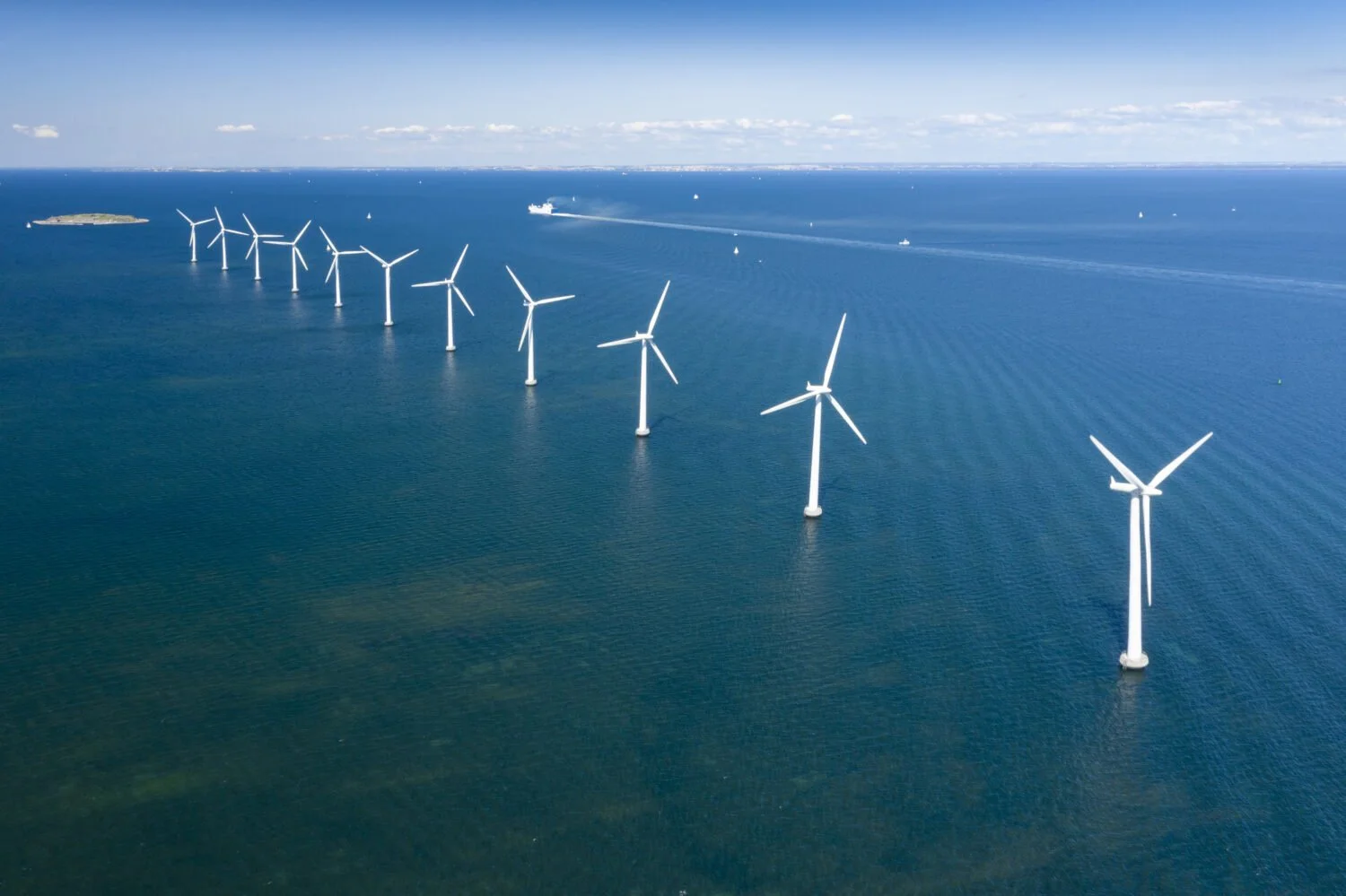
Wind and solar are often discussed primarily through the lens of climate policy. That framing undersells their strategic value. Unlike gas, wind doesn't have a supply chain running through politically unstable regions. The fuel is free, inexhaustible, and entirely domestic.
Renewables generated an average of 63% of the UK's electricity in 2025 - a genuine milestone. But the job is far from done. The Clean Power 2030 Action Plan targets 100% clean power within five years, requiring up to 50GW of offshore wind, 45-47GW of solar, and 27-29GW of onshore wind. Reaching those numbers requires addressing two structural bottlenecks: the grid, and storage.
The Grid Bottleneck
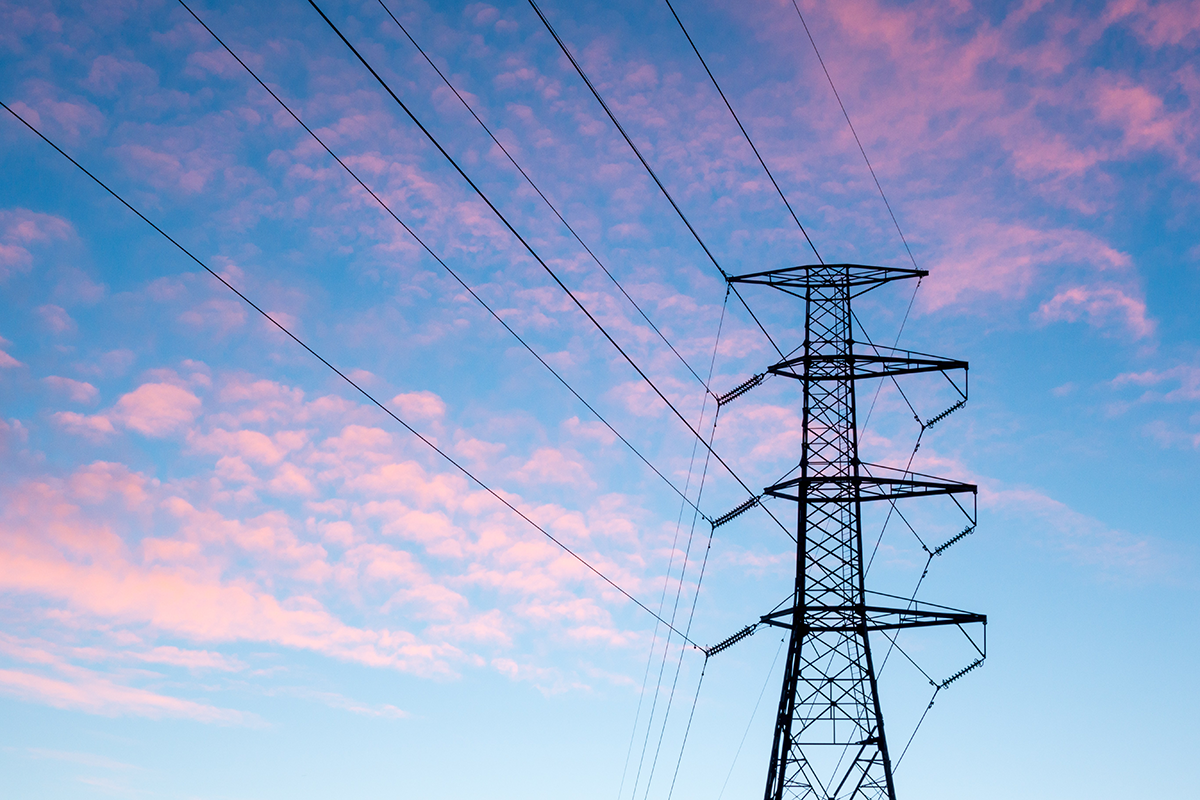
There is a fundamental mismatch between where the UK's best renewable resources are located - the offshore wind zones of the North Sea, the wind corridors of Scotland and Wales - and where most demand is concentrated. Delivering Clean Power 2030 requires building more transmission infrastructure in five years than was constructed in the previous three decades. Ofgem has approved over £10 billion for electricity transmission upgrades under RIIO-3, with total projected network investment potentially reaching £80 billion by 2031.
Grid connection reform led by NESO in 2025 has started to address the backlog - reordering the queue based on project readiness rather than simple chronology. It is a meaningful step forward, but only a first step.
The Need for Storage
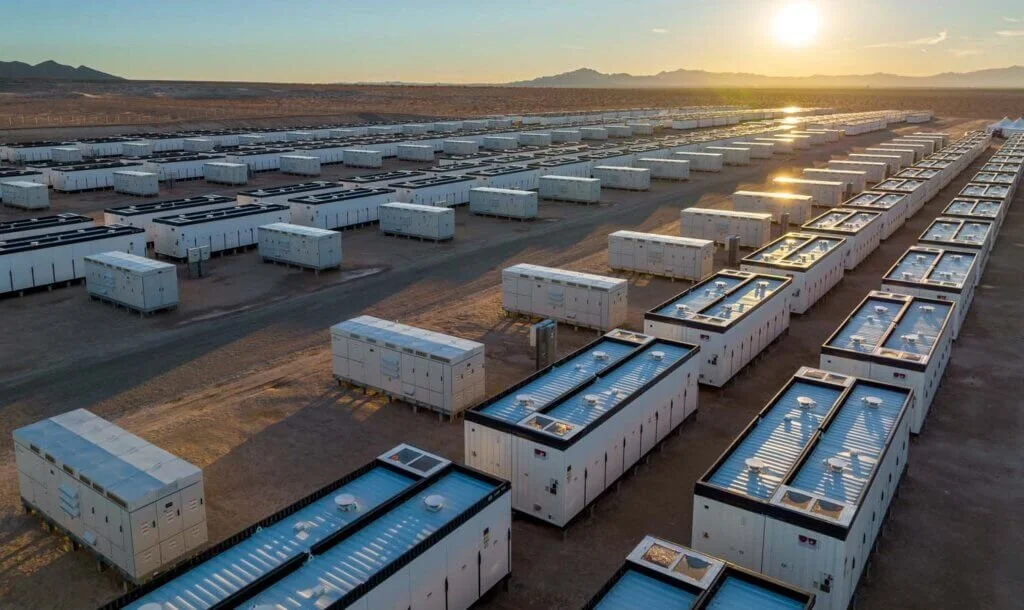
The wind doesn't always blow, and the sun doesn't always shine. A system built primarily on renewables needs storage at scale, and the UK is only now beginning to approach that. Grid-scale battery capacity reached 12.9GWh in 2025, growing 45% over the year. The Clean Power 2030 plan calls for 23-27GW of battery capacity and 4-6GW of long-duration storage - an enormous amount of infrastructure to build in a short period. Long-duration technologies including flow batteries and green hydrogen are further behind commercially, but will be critical for a fully decarbonised system.
What This Means in Practice
The case for accelerating the energy transition is not just environmental - it is economic and strategic. Every additional gigawatt of domestic renewable generation reduces the UK's exposure to volatile commodity markets. Every storage project that comes online improves grid resilience. Every kilometre of new transmission cable helps get clean power from where it is generated to where it is needed.
The challenge is delivery - and delivery depends on people. Developers, engineers, project managers, asset owners, and grid operators all need to scale their teams at pace, across technologies and geographies that are evolving faster than the talent pipeline can naturally respond to.
At Ventus, this is what we focus on. As an executive search partner working exclusively in renewable energy and clean infrastructure, we help the organisations building the UK's energy future to find and secure the leadership and technical talent they need - at the speed the transition demands.